The Jali Creator Workshop London 2025
From Rented Attention to Shared Ownership
Victor Okafo · 27 October 2026 · 7 min read
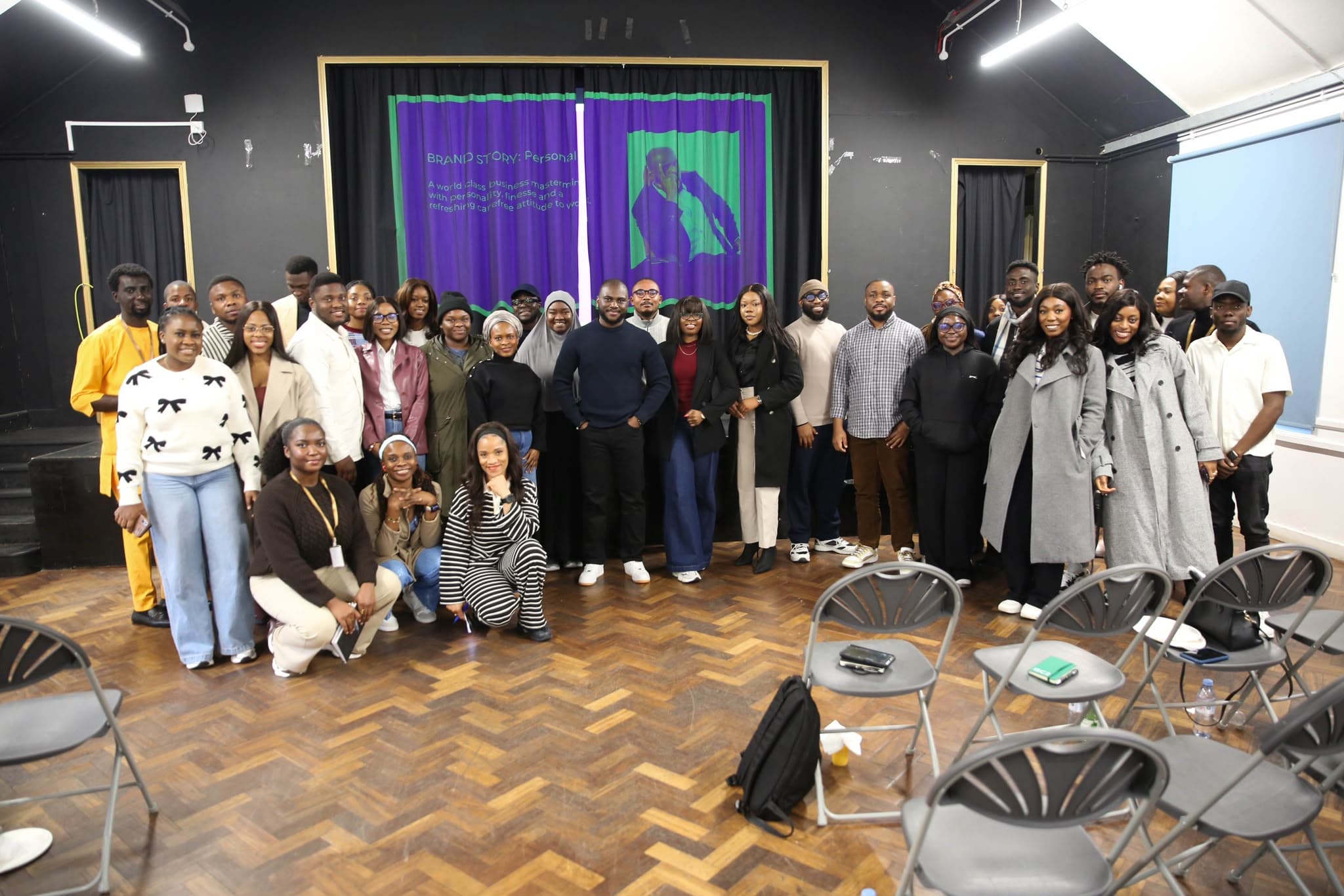
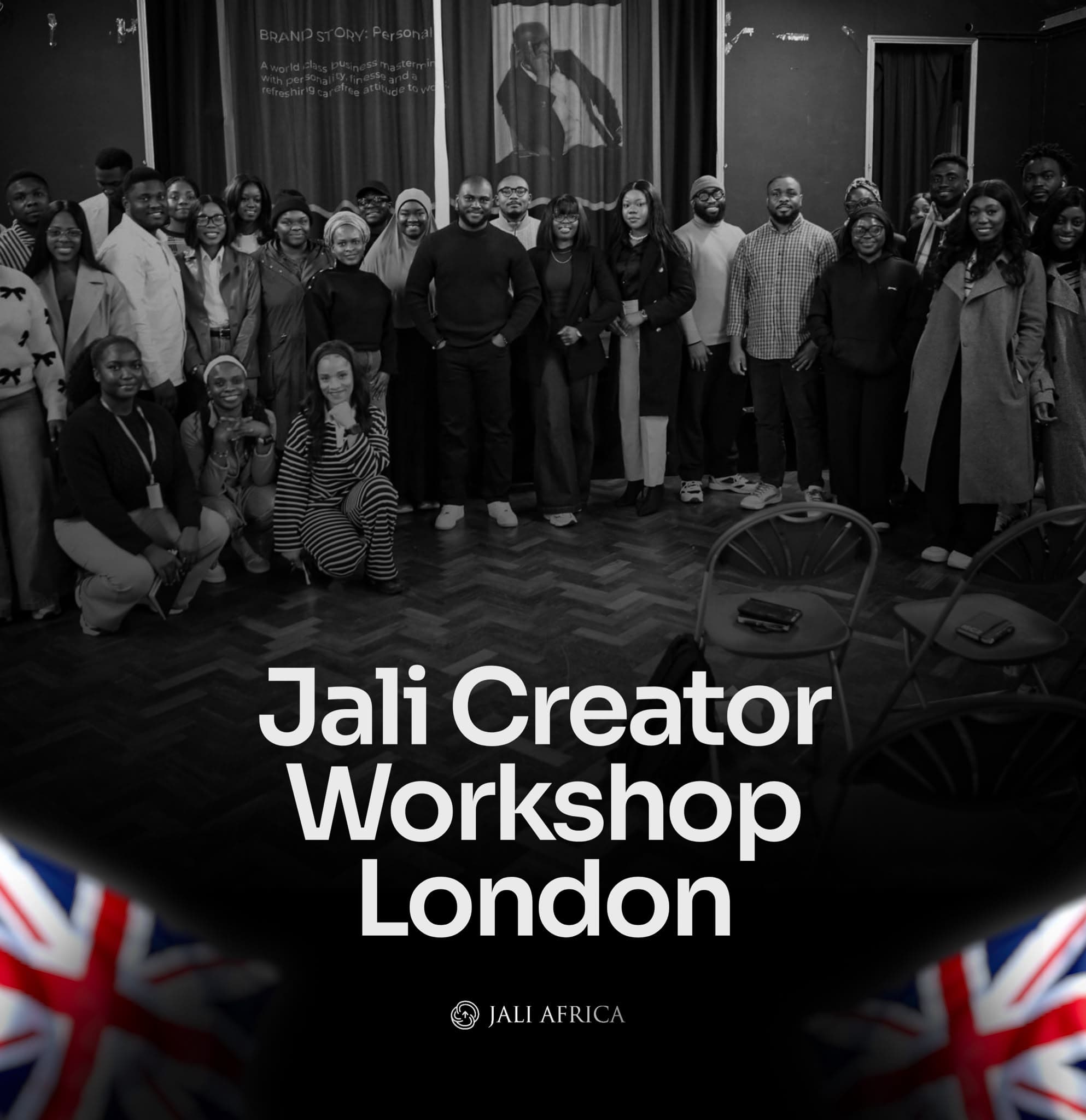
At the Jali Creator Workshop in London on 29 November 2025, I launched the Angel Creator Model: a way for tech founders and digital businesses to stop renting attention and start owning it, with creators as partners rather than vendors.
The workshop sold out, with 150 people in the room. It brought together two groups: founders building software, fintech and digital products, and creators with real audiences and no real business behind them. Most workshops treat these two groups as separate markets. I put them in the same room on purpose, because I believe they are each other's missing half.
I have lived both sides. In 2023 I ran Watching A Man Change, a 90-day public challenge that took me from no connections to 150,000 followers, 11 million views and over 400 new customers. Since then I have trained more than 2,500 creators and founders across 40 countries and worked with brands like MTN, BMW, J.P. Morgan and Techstars. Every one of those experiences pointed to the same gap. This workshop was where I named it, and offered a way to close it.
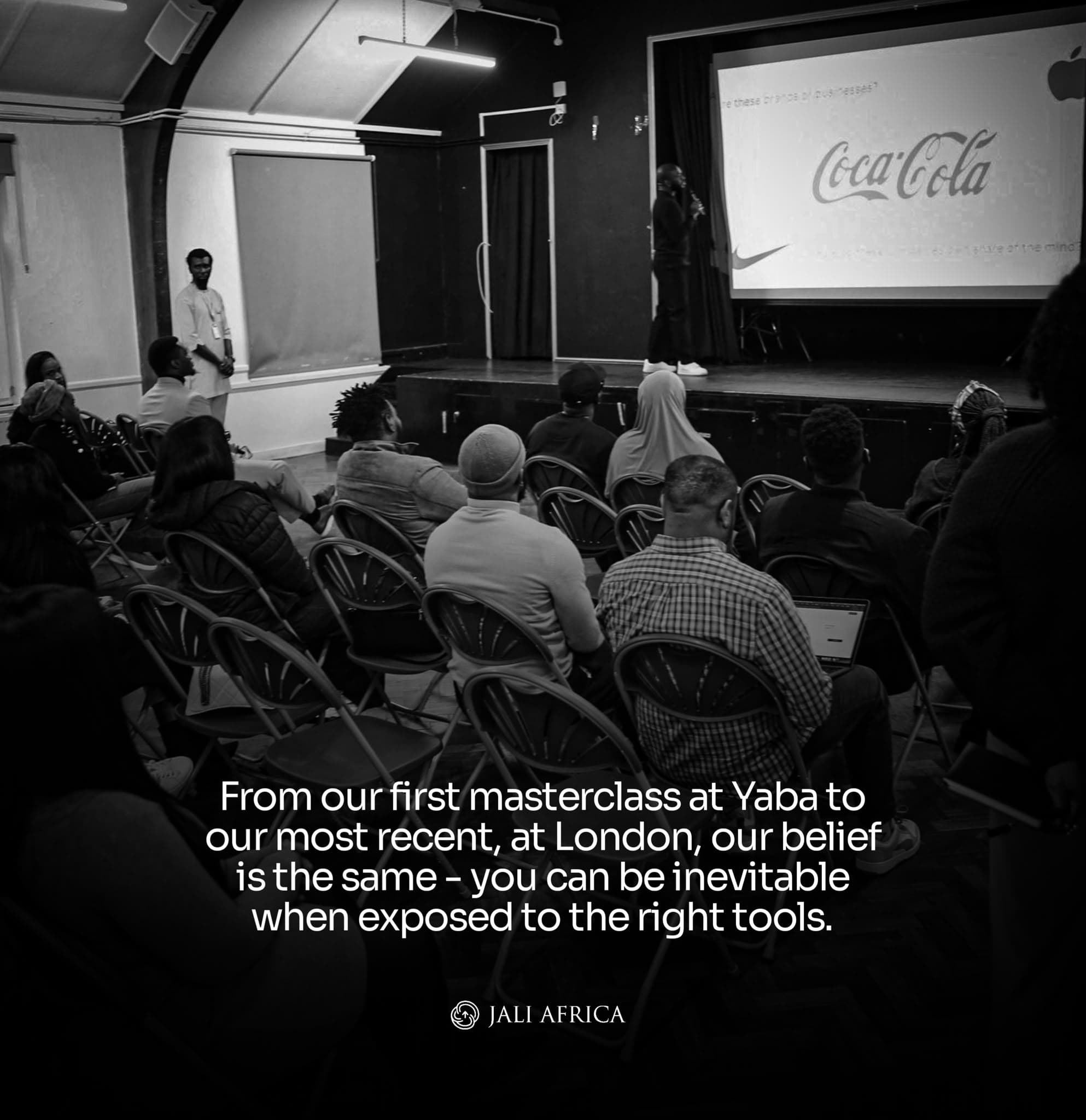
Two broken models, running side by side
Founders have a distribution problem. Creators have a business problem. Each one is holding what the other needs.
For tech founders and digital businesses, getting customers keeps getting more expensive. Paid channels are crowded, ads are easy to ignore, and trust in brands is thin. Many startups build a strong product and then struggle to get it in front of the right people at a price that makes sense.
For creators, the problem runs the other way. They have attention, trust and distribution, but very little ownership. Most are paid per post, per campaign, per month. When the campaign ends, so does the income. They build value for brands they will never own a piece of.
The usual fix is the sponsored post. A brand pays a creator a fee, the creator delivers content, and both move on. I told the room that this model is broken on both ends:
- The creator has no stake in whether the product succeeds.
- The content feels rented, and audiences can tell.
- The relationship ends the moment the money stops.
- Neither side builds anything that compounds.
Introducing the Angel Creator Model
An Angel Creator is a creator who takes an equity stake in a business in exchange for sustained content, brand building and access to their audience.
Think of an angel investor. They back an early company with capital and share in its upside. An Angel Creator does the same thing, but the capital they bring is attention, trust and distribution. For a young tech company, that can be worth more than a cheque.
The question I put to the founders was simple. What if, instead of paying a creator a flat fee for a sponsored post, you offered them a small piece of your company? Suddenly the creator is not promoting something they were paid to mention. They are building something they own.
| The old model | The Angel Creator Model | |
|---|---|---|
| How the creator is paid | Flat fee per post or campaign | Equity, vested over time |
| Creator's stake in the outcome | None | Real ownership |
| Length of the relationship | One campaign | 12 to 24 months or more |
| How the content feels | Rented | Lived in |
| What both sides build | Short-term reach | Long-term wealth |
How it works: five phases
The model runs in five phases, from the first conversation to the moment the equity turns into real value.
- Match. The creator's niche has to fit the business. A finance creator with a fintech startup. A fitness creator with a health app. Follower count matters less than audience fit: are the creator's followers the people this business needs as customers? And the values must line up. If the creator would not use the product unpaid, the partnership will not last.
- Structure. The deal is built to protect both sides. Equity is usually a small percentage, sized to the creator's reach, the quality of their audience and the company's stage. It vests over time and is tied to clear milestones, so the business is protected and the creator stays committed. A clear agreement covers content rights, IP, exclusivity and exit terms.
- Integrate. The creator is treated as a partner, not a supplier. They sit in on product conversations, shape the brand voice and help steer marketing. That is why the content feels different. It comes from someone who is inside the business.
- Scale. The creator's content brings in customers through trust rather than paid reach. As the business grows, the creator's stake grows with it. That creates a flywheel: more content brings more customers, more customers raise the value of the equity, and a more valuable stake gives the creator every reason to keep going.
- Returns. When the company raises, grows or exits, the creator's equity becomes real wealth. Over time a creator can hold stakes across several businesses, building a portfolio instead of a calendar of one-off deals.
Why it works for tech founders
The Angel Creator Model works because it fixes incentives, not just marketing.
- Distribution from day one. Early-stage companies often spend months trying to be noticed. A well-matched Angel Creator brings a ready audience that already trusts them.
- Cheaper, warmer customers. Customers who arrive through someone they trust tend to convert more readily and stay longer than customers bought through ads.
- Aligned incentives. A creator who owns part of the company is not chasing their own engagement numbers. They want the business to win, because their stake depends on it.
- A moat competitors cannot copy. Another company can copy your features. It cannot copy a genuine, long-term relationship between your brand and a trusted voice.
- Managed risk. Because equity vests against milestones, a partnership that underperforms does not cost the company its upside. Unvested equity stays with the business.
Underneath all of this is the idea I have built my work on: story is an asset. A creator's audience exists because people believe in their story. The Angel Creator Model lets a business borrow that belief honestly, by making the creator part of its story too.
What founders and creators took away
The workshop was built to be practical. Founders and creators each left with something to act on that week.
For founders, the work started with story. Before any creator will want a stake in your company, they need to believe in it. So we worked on excavating the founder's narrative: why they started, the problem they cannot stop thinking about, and the change they want to make in their customers' lives. A creator invests in a story before they invest in a cap table.
For creators, the shift was in how they see themselves. Not as a channel to be rented, but as a partner with something valuable to invest. Their audience is capital. Their trust is capital. The question is no longer "what is my rate?" but "what should I own?"
The key takeaways from the day:
- Stop renting attention. Start building ownership on both sides.
- Match on audience fit and values, not follower count.
- Structure for the long term, with equity that vests against real milestones.
- Bring the creator inside the business, not just onto the content calendar.
- Story is what makes the whole thing work. Without a story worth believing in, no partnership lasts.
What comes next
London was the launch. The work now is building the infrastructure that makes the Angel Creator Model repeatable.
That is what Jali Group exists to do. Through Jali Tribe, we educate creators and founders on how the creator economy really works. Through Jali Media, we build the content systems that turn partnerships into growth. And through Jali Capital, we take equity positions in creator and founder businesses ourselves, because we believe in this model enough to put our own skin in the game.
The creator economy does not need more sponsored posts. It needs more owners.
If you are a tech founder looking for distribution that compounds, or a creator ready to own a piece of what you help build, I want to hear from you. Reach out to the Jali Group team and let's build the next partnership together.
Jali Creator Workshop, London
29 November 2025
Rume Dominic joined us as guest speaker for the Jali Creator Workshop in London, part of our WAMC 2025 Finale, held at Clarence Hall, Bradfield Court, Hawley Road. The session ran through how to tell your story, stay consistent, monetise your content, and build a profitable business from social media, to a room of African creators based across Europe.
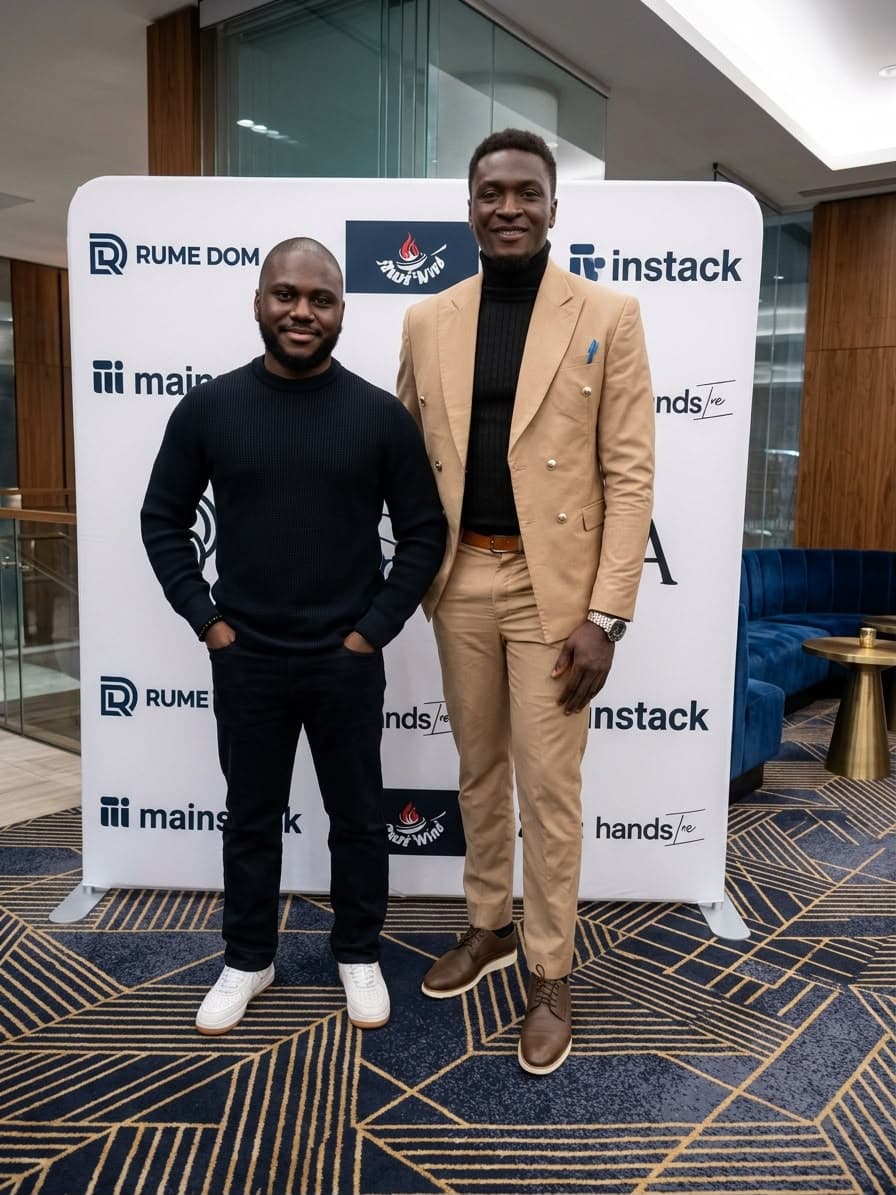
Rume is the founder of Vorem, an AI and blockchain education platform training builders across Africa, and he has spent eight years building education programmes in that space. Vorem also supported this workshop as a sponsor, alongside Mainstack.
We are grateful for his contribution to the day and the time he gave to our creators.